Gralev Letters
Est. London · Vol. I · 2026

THE NUTRITIONIST'S FIELD NOTES.

An editorial archive of considered observations on everyday eating practice — balanced meals, seasonal rhythm, and the quiet logic of lasting change.

Browse the Archive
Wooden kitchen table with an open notebook, fresh seasonal vegetables arranged beside a ceramic bowl, soft morning window light
01
Balanced Plate Daily Macros Whole Grains Seasonal Produce Portion Awareness Energy Balance Meal Preparation Mindful Eating Kitchen Routine Grocery Planning Gut-Friendly Choices Home-Cooked Meals Balanced Plate Daily Macros Whole Grains Seasonal Produce Portion Awareness Energy Balance Meal Preparation Mindful Eating Kitchen Routine Grocery Planning Gut-Friendly Choices Home-Cooked Meals
Featured Reading

From the Archive

43
Articles Published
6
Contributing Writers
12
Topic Categories
2026
Year of Record
Nutritionist's desk with a spread of printed research papers, a cup of tea and an open food journal, photographed from above in soft daylight

Editorial Standard

What This Publication Does

Considered writing on nutrition, without simplification.

Gralev Letters is an independent editorial publication focused on everyday wellness practices. Each piece is written with care by qualified nutrition professionals and reviewed before publication. The aim is not to reduce nutrition to a set of rules, but to offer considered perspectives that readers can carry into their own kitchens.

The publication draws on published nutritional research and dietary guidelines, approached through an editorial lens — not a promotional one. Articles acknowledge complexity, account for individual variation, and resist the register of instruction.

Sourcing

Published research and peer-reviewed dietary guidelines form the basis of editorial content.

Review

Each article is reviewed by a second editor before publication.

Editorial Methodology
Coverage Areas

Areas of editorial focus

Vegetables & Fruits

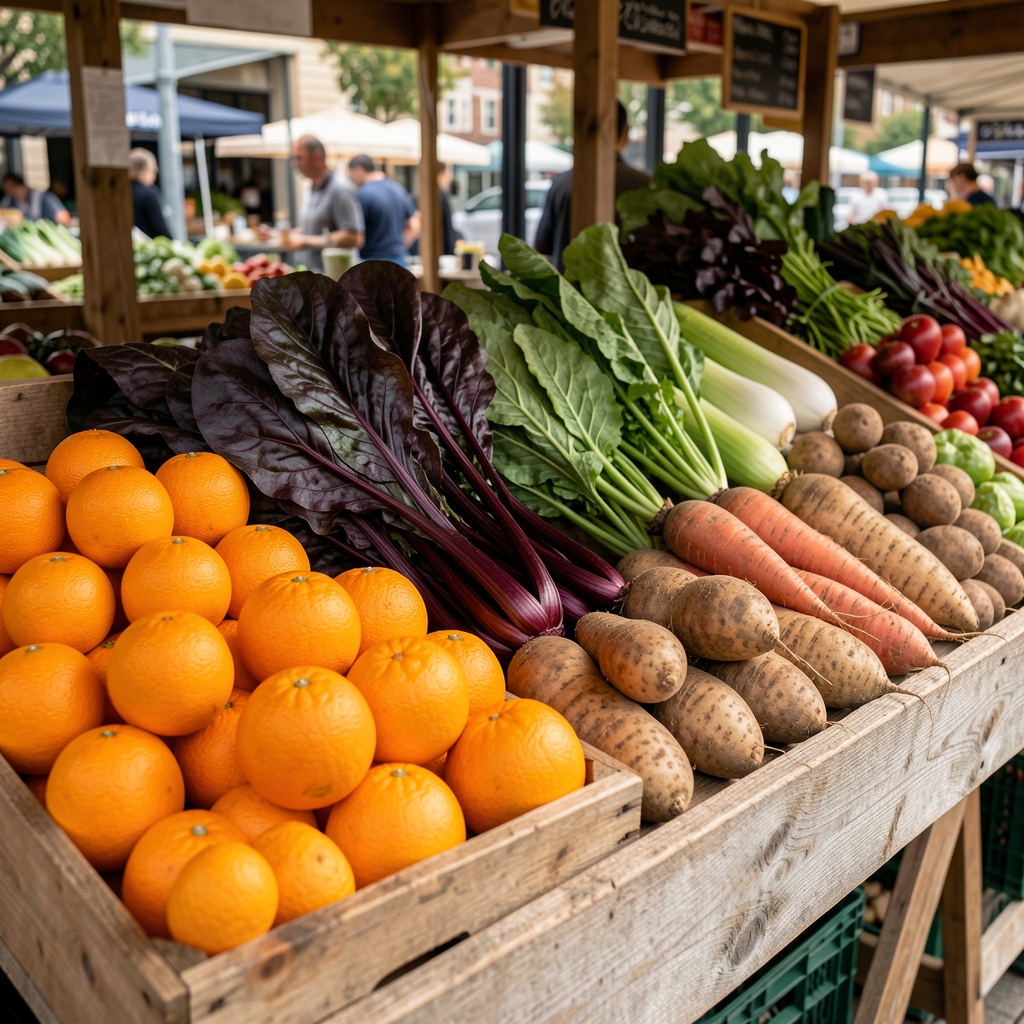
Seasonal availability, preparation methods, and how variety across plant foods contributes to a broader nutritional range.

Balanced Meals

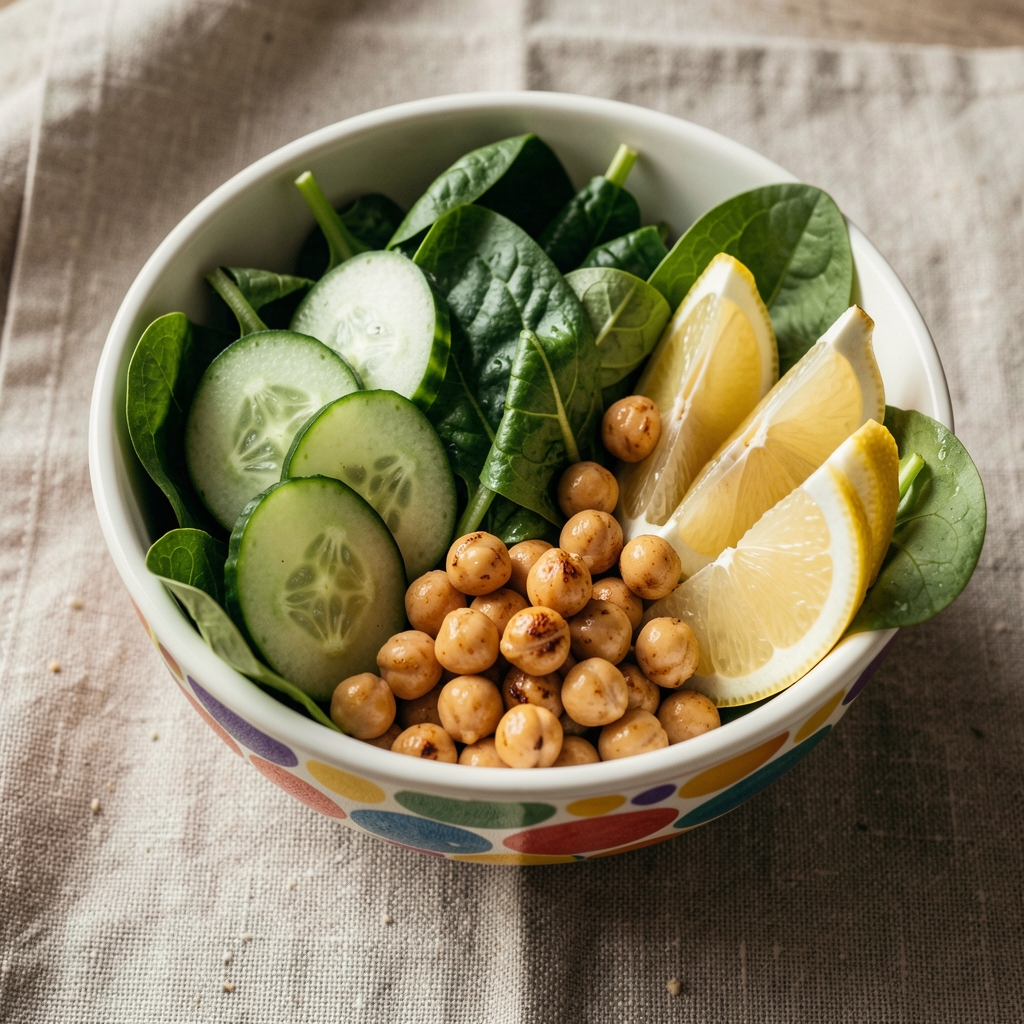
Notes on plate composition — the balance of protein, complex carbohydrates, fats, and fibre that characterises an adequate daily intake.

Mindful Eating

A practice-based approach to paying attention at mealtimes — understanding hunger signals, portion awareness, and slow eating rhythms.

Meal Planning

Practical guidance on weekly menu structure, grocery planning, batch preparation, and reducing daily decision fatigue at the kitchen counter.

Active Lifestyle & Sport

Notes on the relationship between movement, daily energy intake, and nutritional support for an active day — without the language of performance culture.

Hydration Habits

Simple, evidence-informed writing on daily fluid intake — water, herbal infusions, and how hydration fits into the rhythm of an ordinary day.

Eating well is not a problem to be solved. It is a set of small, repeatable practices — each one unremarkable on its own.
Editorial Position · Gralev Letters · 2026
Common Questions

Questions about this publication

Articles are written by qualified nutrition professionals based in the United Kingdom, with occasional contributions from guest writers who bring expertise in specific areas such as sports nutrition, gut-friendly cooking, and calorie awareness.

Gralev Letters is an independent editorial publication focused on everyday wellness practices. The publication is not affiliated with any commercial, governmental, or institutional body. Writers disclose relevant relationships where they exist.

Articles published on Gralev Letters are editorial in nature and reflect the writers' observations on everyday wellness practices. The content is not intended as professional advice, nor as guidance for the management of any specific condition. We recommend speaking with a qualified wellness or nutrition professional before introducing any new habit or routine to your daily life, particularly if you have specific dietary requirements.

Topics are selected through editorial discussion, guided by reader questions, emerging dietary research, and the broader landscape of practical nutrition writing. Priority is given to everyday subjects — meal planning, seasonal cooking, portion awareness — over trending or speculative areas.

Corrections are noted publicly in the article where the inaccuracy appeared, with a dated note indicating what was changed and why. Readers who identify factual issues are welcome to contact the editorial team directly.